THE HOUSE OF ALAKĒŚVARA-DE ALWIS
A Digital Archive
A Millennial History of Trade, Sovereignty, and Public Stewardship across the Indian Ocean.
From Ancient Nobility to Contemporary Leadership
The history of the House of Alakēśvara-De Alwis is an extraordinary multi-century chronology that mirrors the structural evolution of societies in the Indian Ocean.
It traces a continuous trajectory from the ruling inner circle of a medieval kingdom, through a colonial mercantile and aristocratic apex, and ultimately into the arenas of government and high finance
A Century at the Edge of Empire
The House of Alakēśvara–De Alwis traces its origins to Sri Lanka's pivotal role at the crossroads of the Indian Ocean, where for centuries control of maritime trade routes, cinnamon, gemstones, pearls, and regional commerce shaped the fortunes of kingdoms and empires alike.
What distinguishes the family is its remarkable continuity across vastly different political worlds. Over the centuries, the lineage evolved from merchant-princes and royal ministers of the Kotte Kingdom to Christian landholders under Portuguese rule, administrators during the Dutch period, influential Gate Mudaliyars and plantation entrepreneurs under the British Empire, and, ultimately, participants in contemporary global finance, technology, and international enterprise.
Despite gaps in some early colonial records, the family's historical continuity is supported by enduring landholdings, generations of senior administrative service, and longstanding marriage alliances that preserved both status and institutional memory across more than six centuries of Sri Lankan history.
Chronological Eras

Sigiriya Rock Fortress, Sri Lanka. Aerial photograph by Dylan Shaw. Unsplash.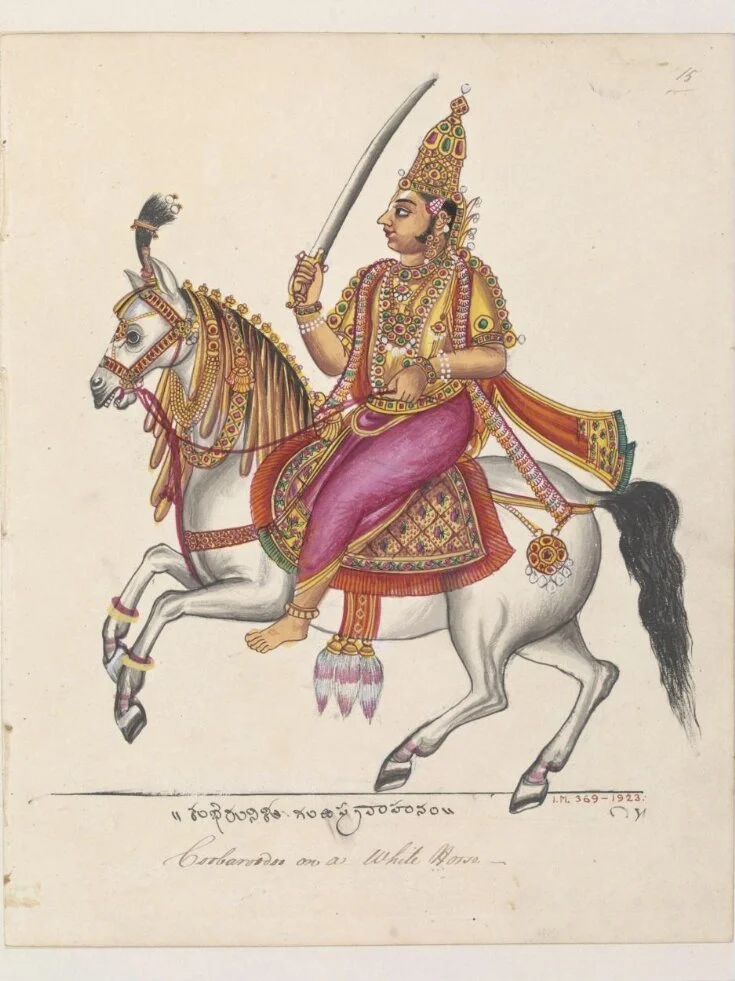
Kubera, the God of Wealth and Guardian of the North, Riding on a Horse, c. 1825. Gouache on watermarked paper, Trichinopoly (Tiruchirappalli), South India. Victoria and Albert Museum, London, Accession No. IM.369-1923. Image courtesy of the Victoria and Albert Museum, London.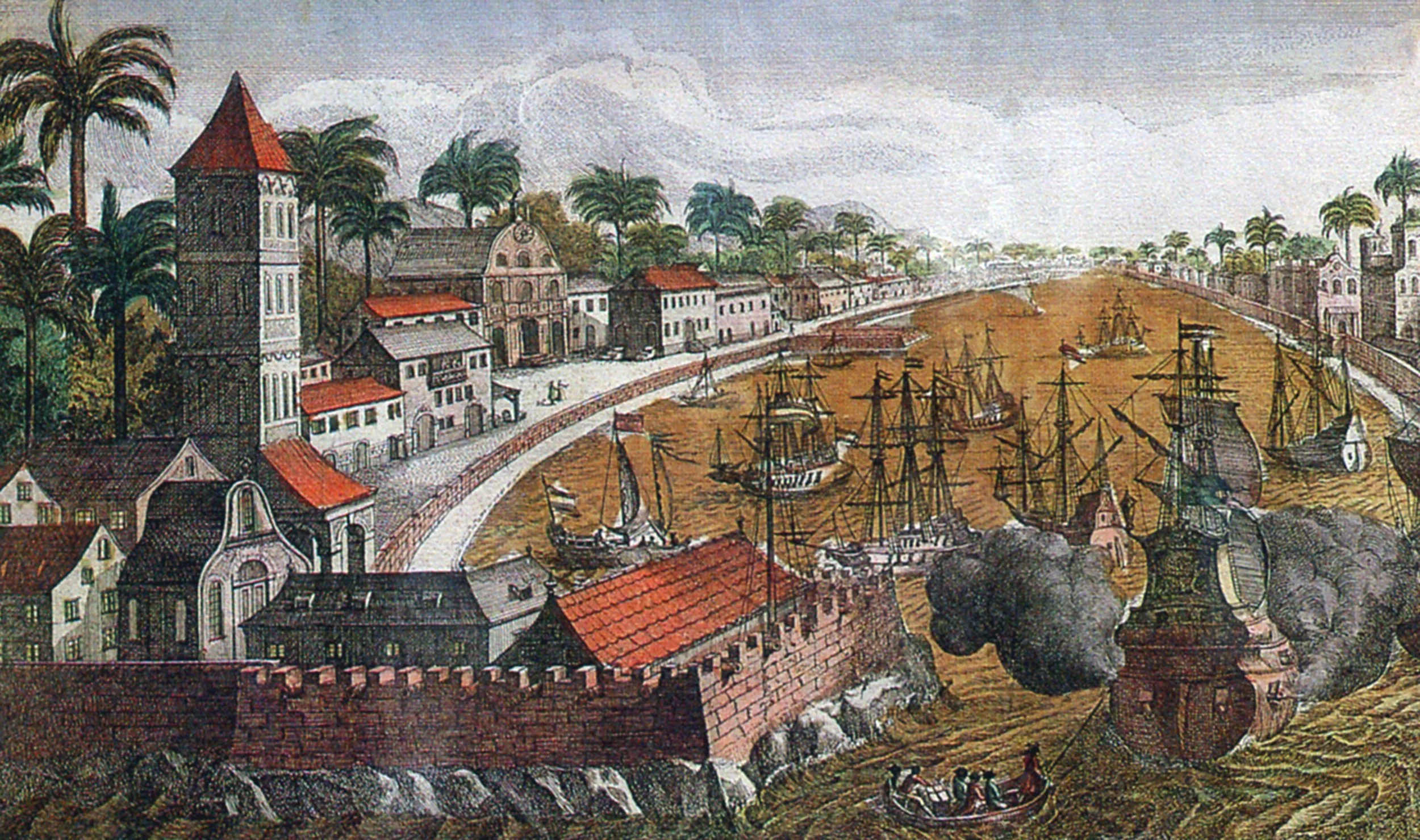
View of Colombo Harbour during the Dutch Period, Ceylon (Sri Lanka), eighteenth century. Historical illustration. Alamy Stock Photo, Image ID: 2B00THC.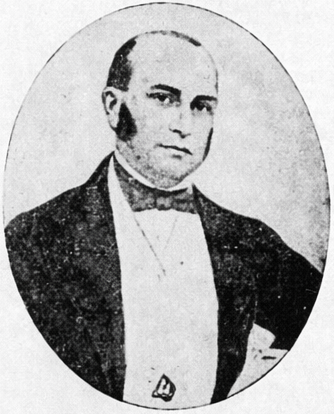
James De Alwis (1823–1878). Historical portrait of the Ceylonese lawyer, scholar, and legislator. Public-domain historical image reproduced from biographical sources on James De Alwis. Source: Wikipedia contributors, “James De Alwis,” Wikipedia, The Free Encyclopedia. Accessed 9 June 2026.Queen Elizabeth II and Mrs Sirimavo Bandaranaike at a Commonwealth diplomatic reception, London, c. 1950s. Photograph by PA Images. Getty Images, Image ID 924940612.c. 3rd Century BCE – 13th Century CE
The Giri Solar Dynasty
The lineage traces its earliest foundations to the Giri clans of Girimandala, the southern highlands of ancient Sri Lanka. Through strategic alliances with royal houses, the Giri nobility became integrated into the island's Solar (Suryavamsa) tradition, combining regional authority with dynastic legitimacy.
13th – 14th Century CE
Arrival of the House of Alakēśvara
Amid political upheaval across South India, the merchant-prince House of Alakēśvara (Alagakonara) established itself in Sri Lanka. Drawing on centuries of Indian Ocean trade networks inherited from the Chera maritime tradition, the family rose to prominence through commerce, naval power, and royal service.
c. 1380 – 1410 CE
Builders of Kotte
The Alakēśvara dynasty emerged as the principal military and administrative power behind the Sinhalese crown. Nissanka Alakēśvara fortified Jayawardenapura Kotte, creating one of the most formidable capitals in South Asian history and securing the island's western maritime corridor.1411 CE
The Ming–Kotte War
Vira Alakēśvara confronted the expanding influence of Ming China during Admiral Zheng He's Indian Ocean expeditions. Although captured and taken to China, the fortified state infrastructure established by the family endured and became the foundation for Sri Lanka's final great pre-colonial golden age.1412 – 1505 CE
The Age of Coastal Land Grants
Following the consolidation of the Kotte Kingdom, branches of the family dispersed throughout Sri Lanka's southwest coast. Through royal Sannas land grants and hereditary house designations, they secured estates across Moratuwa, Kalutara, Bentota, and surrounding maritime districts.
1505 – 1796 CE
The Costal Merchant Barons
Under Portuguese and later Dutch rule, the family adapted to changing imperial systems while preserving its landed wealth and hereditary status. During this period, branches adopted the surname de Alwis, while maintaining ancestral identities such as Alahakoon and Wijesiriwardana.
1796 – 1948 CE
The Colonial Era & The Moratuwa Aristocracy
The British occupation of Ceylon marked the beginning of a profound economic and administrative transformation. As the island shifted from a kingdom-based economy to a global colonial export system, established coastal aristocratic families adapted to the new imperial order by leveraging their longstanding control of land, trade, and local administration.
Among these families, branches of the De Alwis lineage emerged as prominent participants in the commercial and civic life of British Ceylon. The family became prominent merchant barons, plantation investors, and administrators. Through the Wasala Walauwa estates and the Moratuwa commercial network, family members occupied leading positions within the colonial civil service and emerging private enterprise.
Building upon centuries of accumulated landholdings, maritime connections, and hereditary influence, they transitioned from regional aristocracy into a modern class of merchant-landowners, plantation investors, and public administrators.
1948 – Present
Nation Building and Modern Leadership
In independent Sri Lanka, descendants contributed to the highest levels of government, law, finance, education, science, arts, media, and sport. Through alliances with the Bandaranaike family and the continuation of the de Alwis and Withanage lines, the lineage maintained an enduring influence on national development.
21st Century
Global Capital and Digital Enterprise
Today, the family's legacy extends across international finance, technology, philanthropy, and institutional investment. Building upon centuries of commercial and administrative tradition, contemporary descendants operate across global markets while preserving a historical connection to Sri Lanka's maritime and aristocratic heritage.