A History of Stewardship
In the long-form history of Sri Lankan elite society, public reputation and historical resilience depended not solely upon private net worth, raw acreage, or political spectacle. Rather, the most enduring dynasties were those capable of preserving institutional trust, administrative competence, and social responsibility across periods of massive political transformation. Within the de Alwis lineage, philanthropy emerged not as performative, short-term vanity projects, but as an understated, institutionalized cultural obligation of privilege and public stewardship.
Historically, this civic mandate manifested across multiple structural verticals:

Foundational Educational Endowments
Believing that educational advancement was the primary vehicle for regional empowerment, the family systematically funded the construction and operational endowments of local schools, libraries, and language institutes along the southwestern western plantation belt. This dedication to intellectual capital was personified by James De Alwis, who directed substantial portions of his private estate toward the preservation, translation, and high-quality publication of classical Sinhalese texts, ensuring that native literary heritage survived the heavy assimilation pressures of the British imperial education system.
Healthcare and Community Welfare Networks
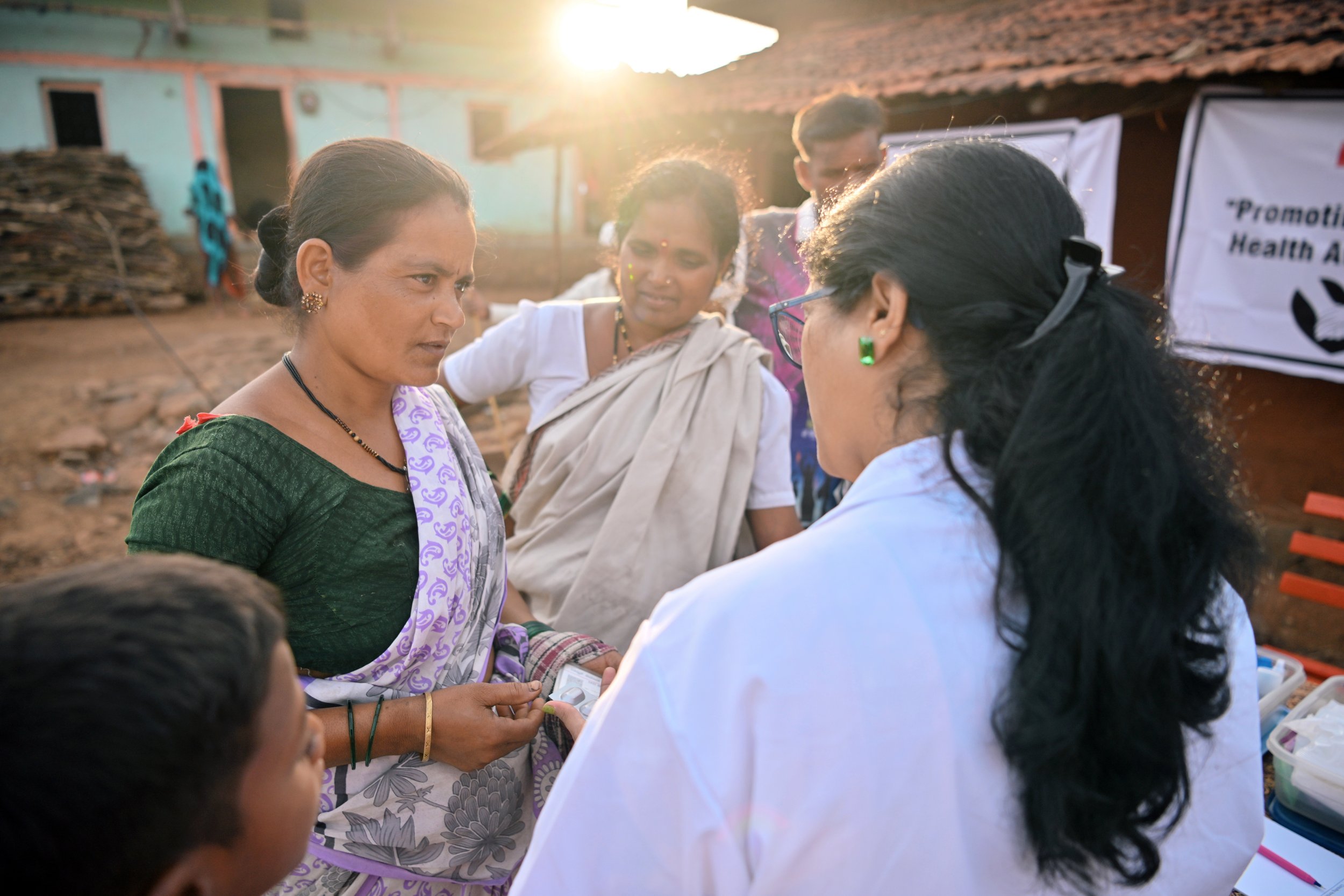
Associated with the Wasala Walauwa networks of Marawila and Chilaw, as well as the commercial titans of the Moratuwa Capital Grid, the family financed a vast, decentralized web of social assistance. This included the building and underwriting of early rural maternity clinics, community dispensaries, and regional hospital wings. During times of national crisis, such as the devastating economic disruptions of World War I and the domestic upheavals of 1915—the family utilized its private plantation warehouses and cash reserves to establish direct food-security pipelines, providing essential grain and medical supplies to thousands of dependent families throughout the western agrarian corridors.

Monastic and Religious Institutional Stewardship
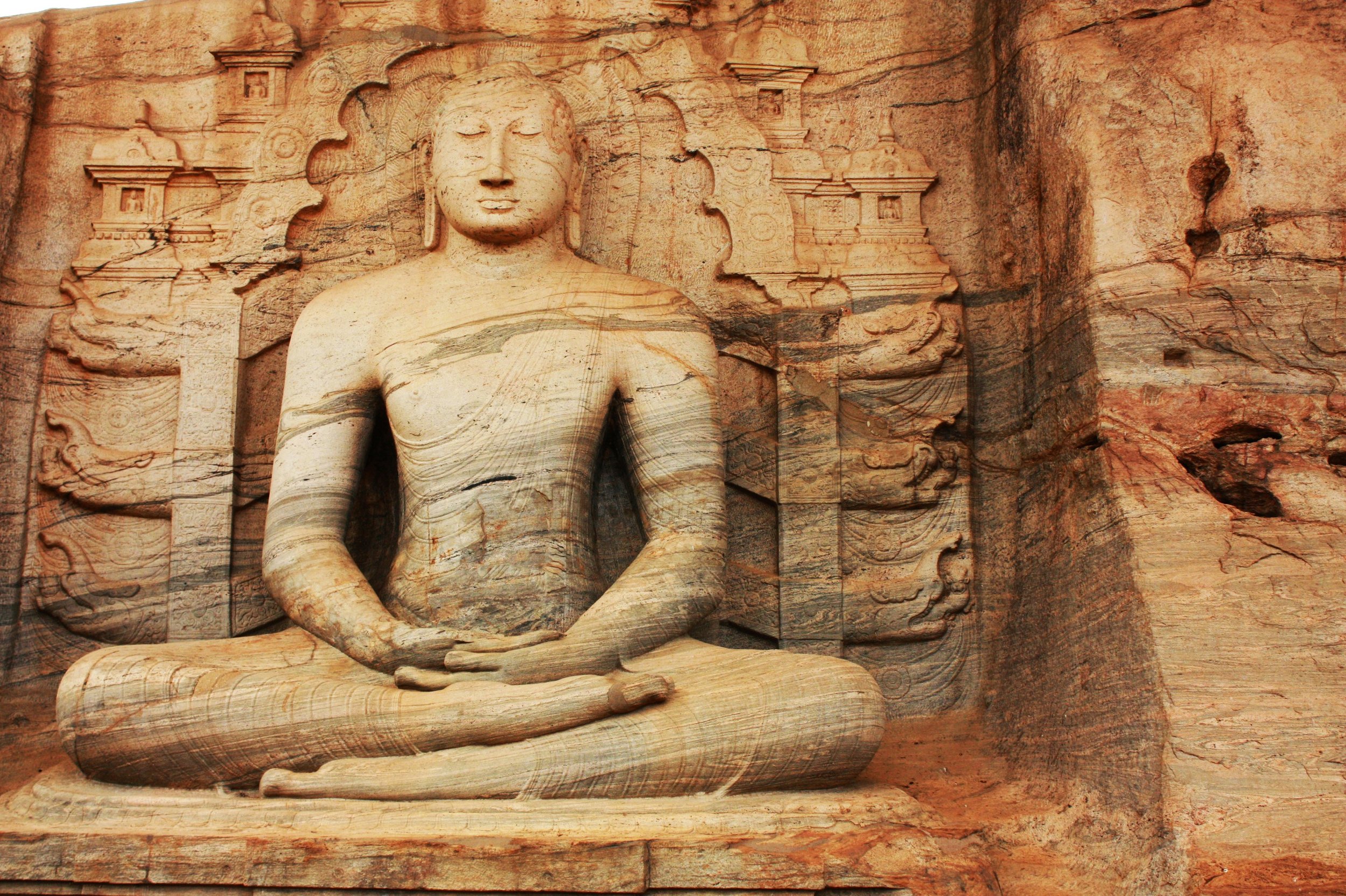
Dating back to the earliest ancestral syntheses of the Giri Clan, the bloodline maintained a historical role as major architectural and financial patrons of spiritual institutions. Just as King Walagamba consolidated the site of Giri the Nigantha's estate to endow the historic Abhayagiri Vihara, downstream branches continuously issued extensive private land allocations (Sannas) and cash grants to maintain ancient Buddhist temples, restore historic low-country shrines, and support localized multidenominational community centers, reinforcing local societal cohesion.
This deep-rooted culture of public stewardship reflects a deeper historical form of resilience: the family survived medieval dynastic conflict, foreign imperial extraction, and colonial restructuring not through political extremism, but through adaptation grounded in educational competence, ethical conduct, and unassailable social credibility.