SURVIVAL THROUGH EMPIRE
THE ERA OF THE COASTAL MERCHANT BARONS
(1505 – 1796 CE)
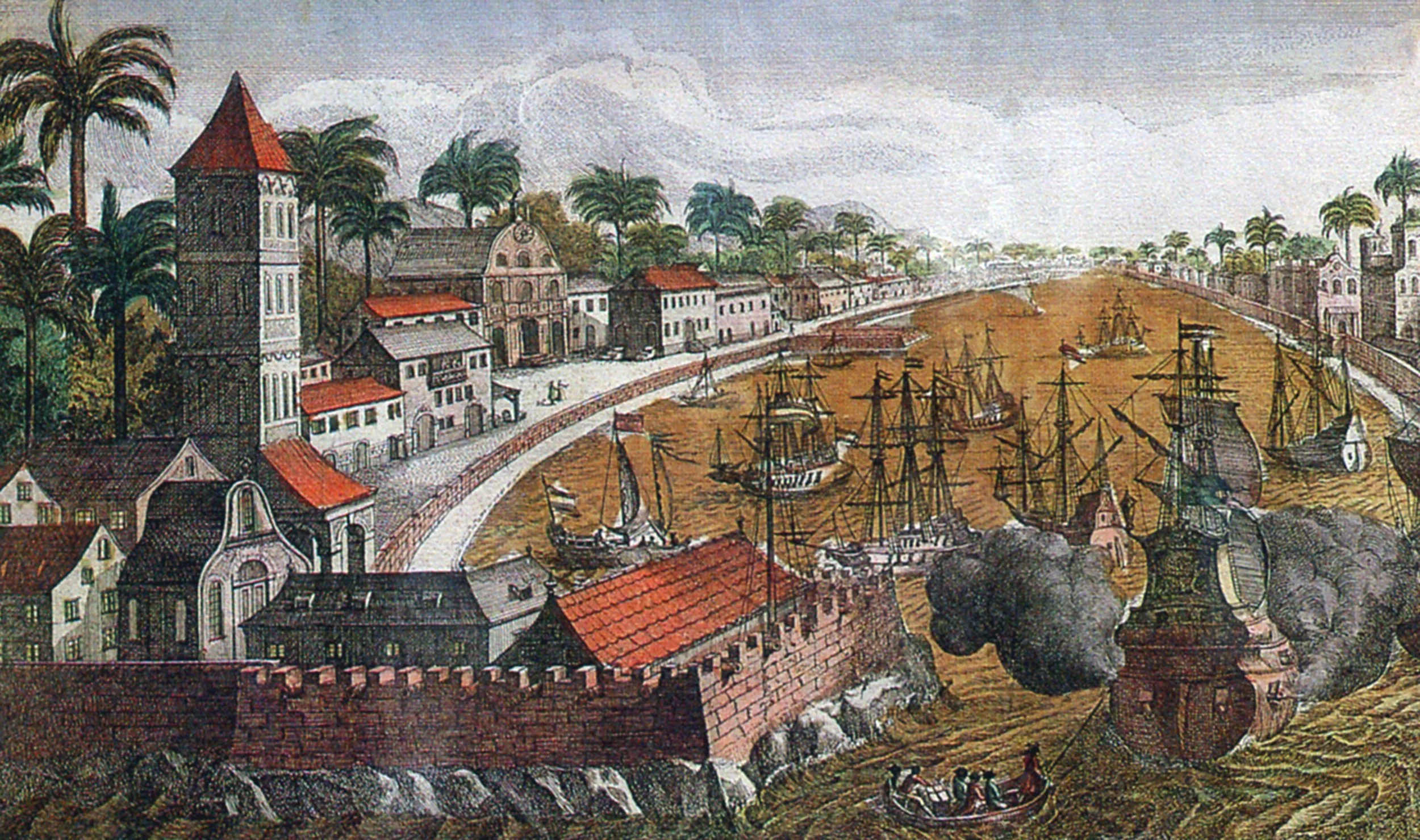
The arrival of the Portuguese in 1505 fundamentally altered the trajectory of Sri Lankan history, turning the coast into a heavily contested maritime prize and a direct cinnamon monopoly for the Lisbon treasury. Reorganized under the Portuguese Empire as Ceilão, the southwestern aristocracy faced a stark choice: adaptation or destruction.
Many elite Sinhala coastal families entered into tactical alliances with the Portuguese through administrative cooperation, commercial participation, and conversion to Christianity. It was during this era that branches of the old Alakēśvara-descended aristocracy adopted the Portuguese surname de Alwis (derived from forms such as Alves, Alvis, or Alvares). Emerging as elite Merchant Barons of the colonial phase, they masterfully combined European land preservation laws with indigenous status.
Beneath these external colonial transformations, older indigenous identities survived through the preservation of their formal hereditary Vasagama titles, including Alahakoon, Wijesiriwardana, and Jayasinghe. This dual identity allowed the family to transition smoothly through the Portuguese era and the subsequent mercantile monopolies of the Dutch East India Company (VOC), ensuring that while kings fell and empires shifted, their core land registries remained a private family preserve.
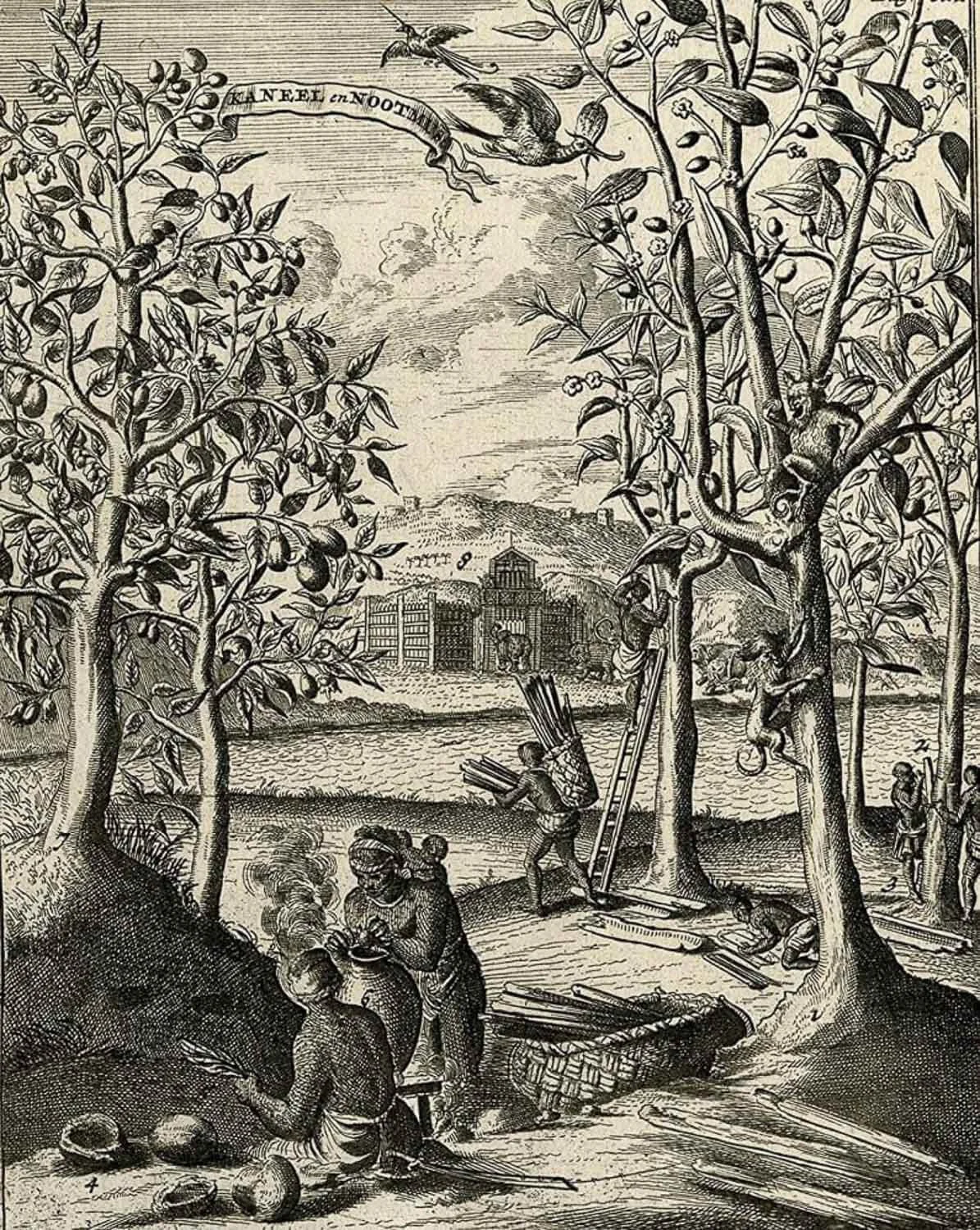
Cinnamon Harvesting in Ceylon. Engraving published in Philippus Baldaeus, Nauwkeurige Beschryvinge van Malabar en Choromandel, Derzelver Aangrensende Rijken, en het Machtige Eiland Ceylon (Amsterdam, 1672).Key Figures & Statesmen
-
The foundational generational bridge who navigated the collapse of the native Kotte court structure. By entering into a strategic tactical alliance with the Portuguese captaincy, converting to Christianity, and adopting the European surname, he protected the family's deep ancestral wet-zone land banks from expropriation, establishing the legal blueprint for the lineage's survival under Western international law.
-
The traditional lineage elders who fiercely policed the hidden naming structures of the family. While utilizing European titles in colonial courts to execute trade contracts, they enforced the preservation of the hereditary titles Alahakoon and Wijesiriwardana in oral records and marriage agreements, ensuring the ancient Solar prestige remained unbroken beneath the colonial facade.
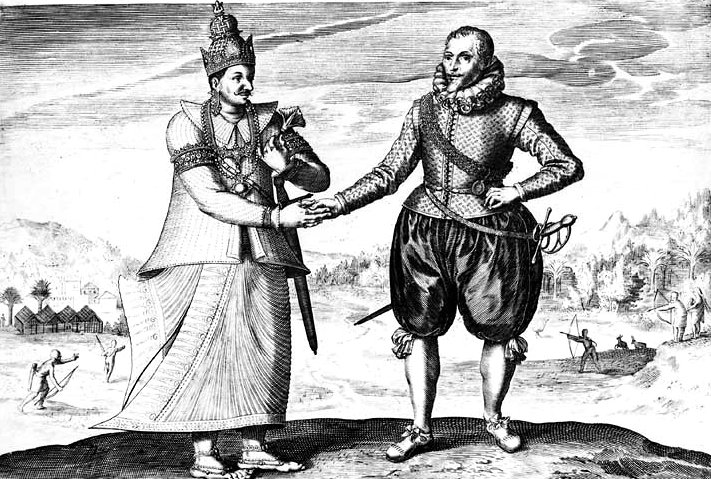
King Vimaladharmasuriya I of Kandy and a Portuguese Envoy. Engraving based on early seventeenth-century European accounts of Ceylon, associated with the voyage of Joris van Spilbergen (1602).